
Company Car Resources
Sorting out a company car used to be straightforward. These days, with electric vehicles offering incredible tax breaks, salary sacrifice schemes changing the game, and HMRC rules constantly evolving, you need proper guidance. We’ve built this resource to cut through the confusion and show you exactly what works, what doesn’t, and what will save you the most money.

Types of Car Buying & Financing Options
Getting a company car through your limited company? Here’s how each route stacks up for tax relief, cash flow, and your balance sheet.
Outright Purchase
You buy it, you own it, you claim capital allowances. EVs are especially attractive – 100% first year allowance if purchased before 31 March 2026. The catch? Big upfront cost, no VAT recovery (cars are blocked unless strictly business-only), and you handle depreciation and disposal.
Hire Purchase
Spreads the cost but HMRC treats it as ownership from day one – so you still get those capital allowances immediately. Only the interest portion of payments is tax deductible (capital element is covered by allowances). Often the sweet spot for cash flow vs. tax relief, particularly for EVs while the 100% FYA lasts.
Leasing
Never own it – just pay monthly rentals then hand it back. Payments are a business expense (though only 85% deductible if the car emits over 50g/km CO₂). The big win? You can reclaim 50% of VAT on payments – something you can’t do when buying. Contract hire often bundles maintenance, road tax, and breakdown cover. Watch out for mileage limits and damage charges.
Salary Sacrifice
An arrangement where employees (including directors) give up gross salary for a company car. Saves income tax and NI for the employee, 13.8% employer’s NI for you. Brilliant for EVs with their low Benefit-in-Kind rates (2% in 2024/25, rising to 3% in 2025/26). You still get 50% VAT recovery and tax-deductible rentals. Just ensure nobody drops below minimum wage.
|
Option |
You Own It? |
Tax Relief |
VAT Back? |
Best For |
|---|---|---|---|---|
|
Outright Purchase |
Yes |
100% FYA for EVs (until Mar 2027) |
No* |
Cash-rich businesses wanting full ownership |
|
Hire Purchase |
Yes (after payments) |
Capital allowances from day one |
No* |
Ownership + flexibility without the upfront hit |
|
Leasing |
No |
Deduct payments (85% if >50g/km CO₂) |
50% |
Simple budgeting, no depreciation headaches |
|
Salary Sacrifice |
No |
Deduct lease + save 13.8% employer’s NI |
50% |
EVs – tiny BiK, big NI savings |
*VAT on cars is blocked unless genuinely 100% business use (rare)
Why EVs Win on Benefit-in-Kind
If you’re taking a company car, the tax you pay depends on its list price and CO₂ emissions. This is where electric vehicles pull miles ahead.
For 2025/26, a fully electric car has a BiK rate of just 3%. A hybrid sits around 13%, and petrol/diesel can hit 37% depending on emissions. On a £40,000 car, that’s the difference between £480 and £5,920 in annual tax for a higher-rate taxpayer.
|
Type |
BiK % |
Taxable Value |
Director (40%) Tax |
|---|---|---|---|
|
⚡EV |
3% |
£1,200 |
£480/yr |
|
🔋Hybrid |
13% |
£5,200 |
£2,080/yr |
|
⛽Diesel (120 g/km) |
37% |
£14,800 |
£5,920/yr |
Example based on £40,000 list price, 2025/26 rates. Hybrid assumes typical PHEV with limited electric range.
It’s worth nothing that BiK rates are rising over the next several years. By 2029/2030, the BiK rate for EVs will be 9%, hybrids will be 19% and petrol/Diesel will be 39%.
⚡Electric Company Cars, Made Simple
At Dead Simple Accounting, we’re all about helping clients make smart decisions that save tax, support sustainability, and make financial sense.
So that’s why we’ve team up with Octopus EV because they make going electric simple, affordable, and genuinely rewarding – both financially and environmentally.


🚘BMW/MINI – Sourced Through Our Trusted Partner
We’ve partnered with Group 1 BMW/MINI specialist to help our clients source the right car — whether you’re a sole trader, partnership, or limited company.
From brand-new models to approved used vehicles, they’ll help you find a BMW/MINI that fits your business needs and budget, without the usual dealership pressure.
Simply reach out to the Group 1 Reading BMW/MINI team below, let them know you’ve come via us, and they’ll source you the right BMW/MINI for your business at a great price.
Explore their BMW and MINI ranges. Once you’ve found the right car, we’ll help you understand the tax and accounting side. It’s a win/win!
Company Car Tax Guides
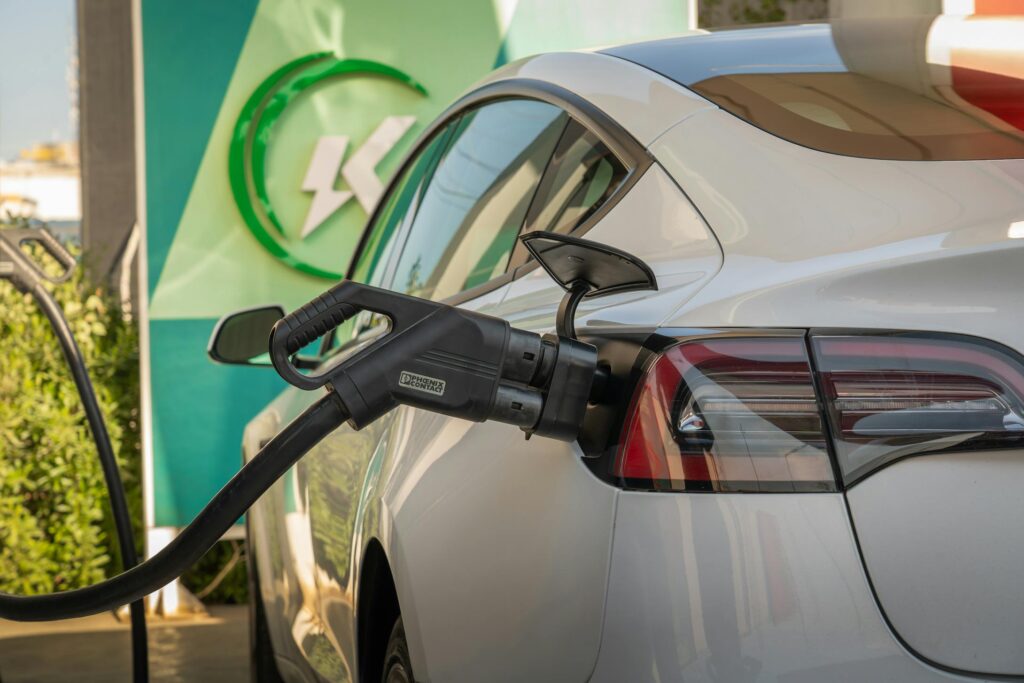
VAT on Electric Cars: Can You Claim It Back?
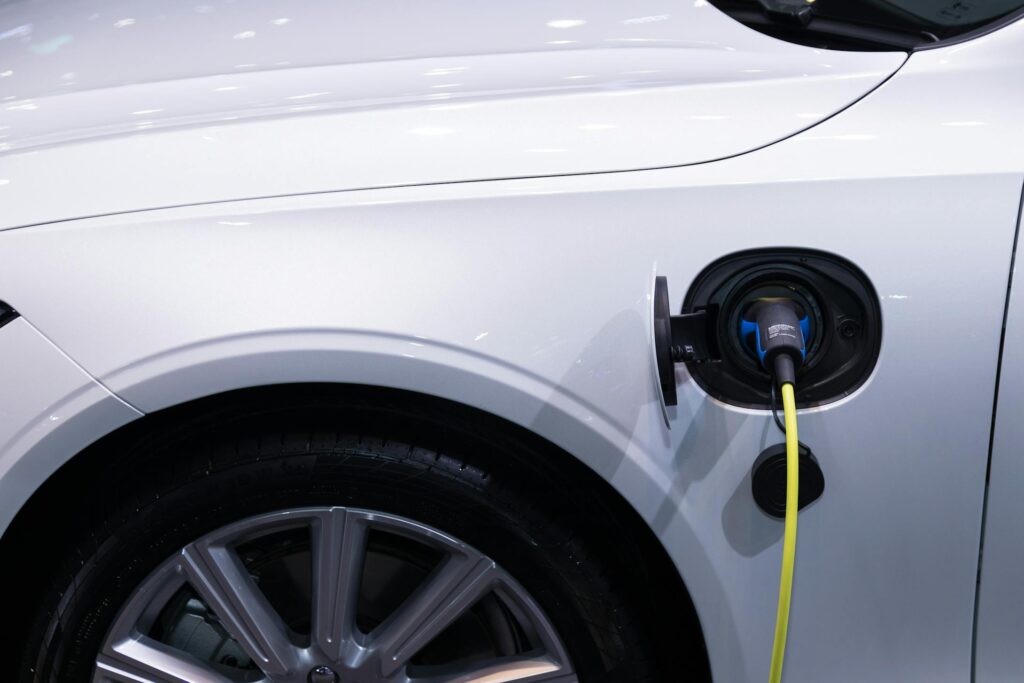
Can I Buy a Used Electric Car Through My Business? The VAT Reality Check